David Travels

Explore Georgia
The Terrain.
Six distinct worlds in one small country. From Black Sea coastline to 5,000m glaciers — Georgia contains more geographic and cultural diversity per square kilometre than almost anywhere on earth.
Why Georgia
Six regions. Six entirely different realities.
Georgia sits at the ancient crossroads of East and West, where Silk Road merchants, Byzantine emperors, Persian shahs, and Soviet generals all left their mark. Today, that layered heritage makes every valley, every city, and every table a story waiting to be told. Our role is to introduce you to each chapter.
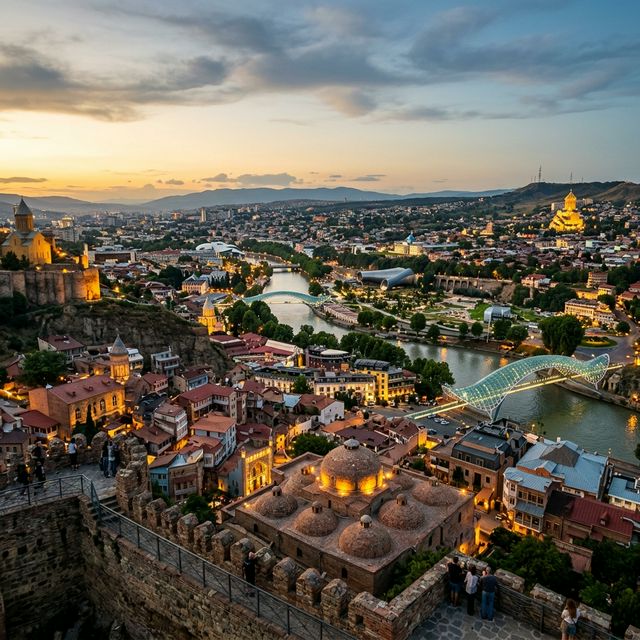
The Soul of Georgia
Tbilisi
A city that refuses to be categorized. Ancient sulphur baths steam next to craft-beer bars. Medieval churches overlook brutalist Soviet architecture. Tbilisi is alive, contradictory, and utterly captivating.
Old Town (Kala)Narikala FortressAbanotubani Sulphur BathsNational Gallery
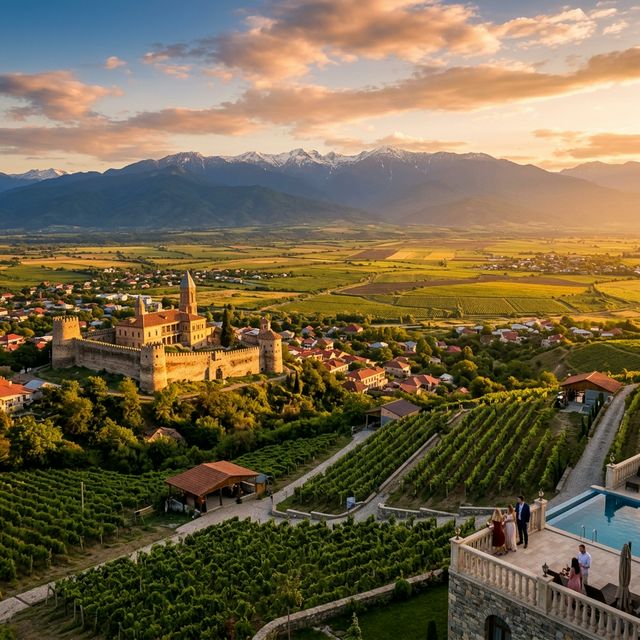
The Cradle of Wine
Kakheti
Georgia invented wine. Kakheti perfected it. Row after golden row of vines cascade across the Alazani Valley, watched over by age-old monasteries and the peaks of the Greater Caucasus.
SighnaghiTelaviAlaverdi CathedralTsinandali Estate
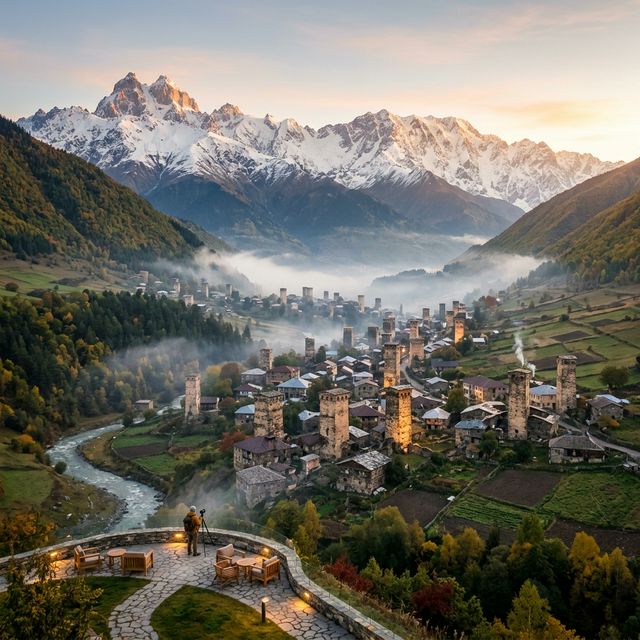
Land of a Thousand Towers
Svaneti
Perched at the roof of Europe, Svaneti is beyond time. Defensive towers from the 9th and 12th centuries rise from hilltops alongside glaciers and medieval frescoes.
Mestia TownUshguli VillageChalaati GlacierMount Shkhara
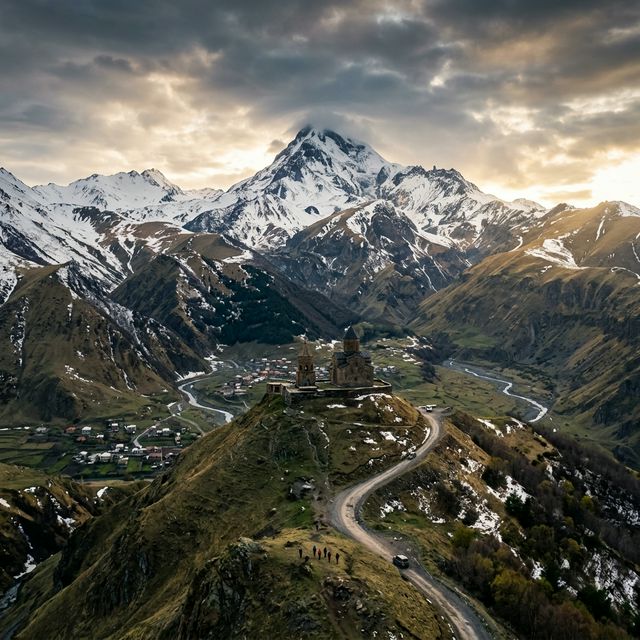
Sacred Peaks
Kazbegi
The road suddenly opens to reveal the 14th-century Tsminda Sameba church on its isolated ridge, backed by the snow-capped pyramid of Mount Kazbek.
Tsminda Sameba ChurchGudauri PassStepantsmindaTruso Valley
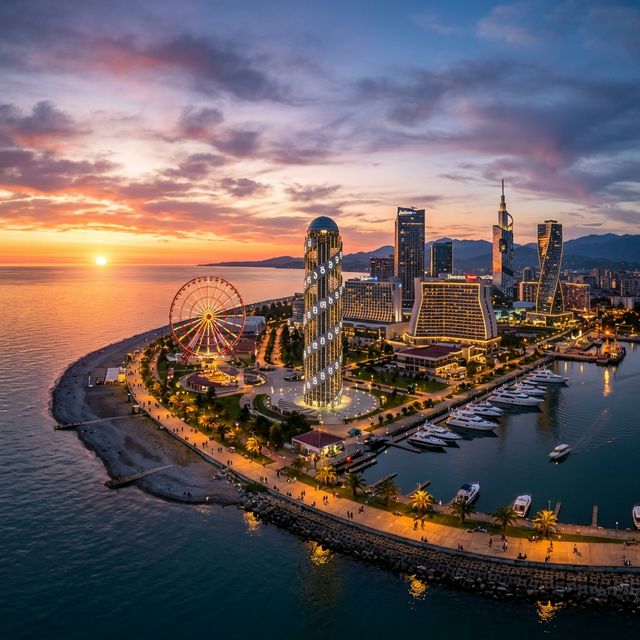
Where Mountains Meet the Sea
Adjara & The Coast
Batumi is an extraordinary convergence: the Black Sea laps its shoreline while the Adjarian mountains rise steeply behind. Subtropical boulevards meet futuristic skylines.
Batumi BoulevardGonio FortressBotanical GardenMtirala Park
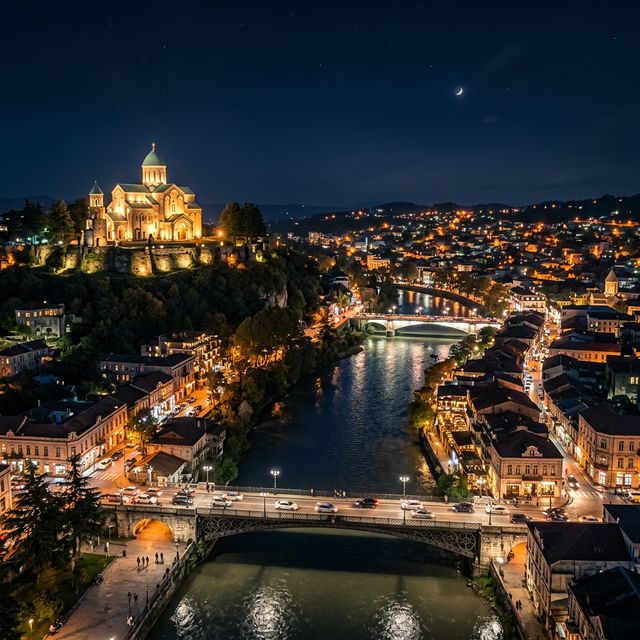
The Ancient Heartland
Imereti
Home to Kutaisi, one of the oldest continuously inhabited cities in the world. A land of mystical canyons, underground rivers, and the Gelati Monastery UNESCO site.
Kutaisi Old TownGelati MonasteryPrometheus CaveMartvili Canyon
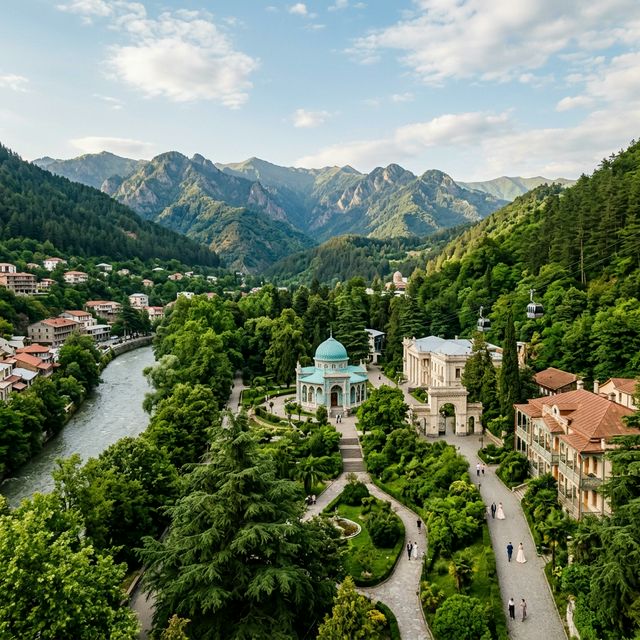
Fortress of History
Samtskhe-Javakheti
A high-altitude plateau of volcanic lakes, medieval fortresses like Rabati, and the staggering Vardzia cave city carved into the side of a mountain.
Vardzia Cave CityAkhaltsikhe (Rabati)Borjomi ParkLake Paravani
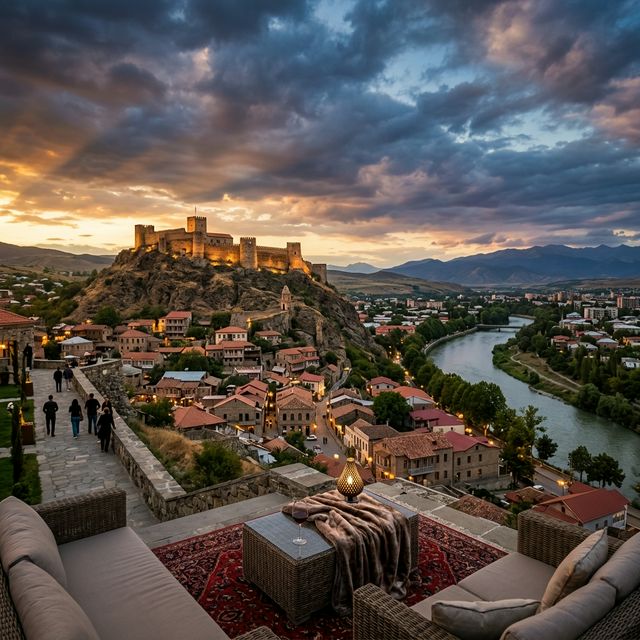
Root of the Nation
Shida Kartli
The central valley of Georgia. Here lies Mtskheta, the ancient capital, and Gori, where history is written in stone and cave dwellings.
Mtskheta (UNESCO)UplistsikheGori FortressAteni Sioni
